Protocols
The latest in Protocols.

Solana’s Alpenglow Upgrade Tests the Cost of Faster Finality
Solana’s proposed Alpenglow upgrade targets 100-150 millisecond finality, but its success will depend on validator participation, client diversity, resilience, governance and safe implementation under real-world network conditions.

Glamsterdam Puts Ethereum’s Scaling Roadmap to the Test
Ethereum’s proposed Glamsterdam upgrade will test higher capacity, validator requirements, proposer-builder separation and rollup data availability as developers push the scaling roadmap toward implementation without sacrificing decentralization.

Sui’s Quantum-Safe Upgrade Will Test Its Reliability
Sui’s proposed post-quantum account roadmap faces a crucial test: whether complex cryptographic upgrades can be deployed safely after three mainnet halts exposed reliability risks.

Cardano’s Governance Upgrade Now Faces Its Real Adoption Test
Cardano’s Van Rossum hard fork activated smoothly, but its real test is adoption: lower costs, stronger applications, sustainable stake pools and effective community governance before Leios.

Firedancer’s Real Test Is Solana’s Reliability, Not Its Speed
Firedancer’s real test is whether it makes Solana more reliable, diverse and resilient, not merely faster. Validator adoption, hardware demands, client independence and operational performance will determine its impact on blockchain infrastructure.

XRP Ledger’s Privacy Upgrade Puts Institutional Tokenization to the Test
Confidential MPT could bring selective privacy to XRP Ledger tokenized assets, but institutional success will depend on validator approval, compliance workflows, new issuers and sustained transaction activity.
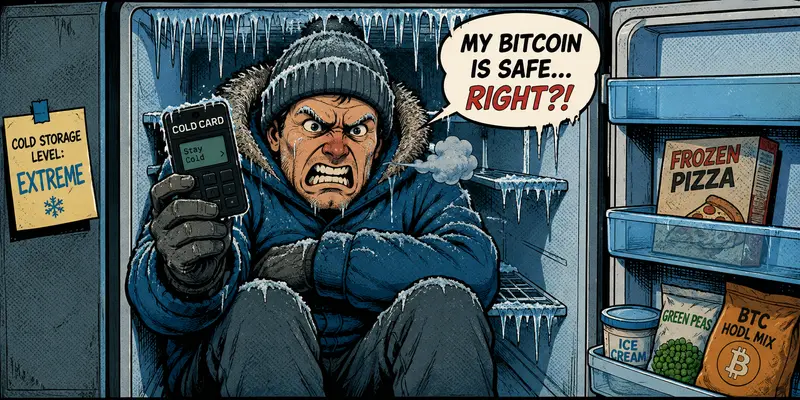
The Coldcard Hack Changed the Meaning of Cold Storage: Bitcoin Security Starts With Entropy
The 2026 Coldcard hack exposed how weak seed entropy can defeat offline security, allowing attackers to reconstruct wallets and steal bitcoin, revealing why randomness, not just hardware isolation, is the foundation of self-custody.

Sui’s Quantum-Safe Wallet Plan Puts Migration and Costs to the Test
Sui’s proposed post-quantum wallet upgrade could protect existing assets without address transfers, but larger signatures, wallet compatibility, migration risks and validator readiness remain key tests.

BIP-110 Fork Puts Bitcoin’s Miner Power and Node Governance to the Test
Bitcoin’s BIP-110 fork exposed tensions between miner power, node validation and economic consensus after a minority chain quickly lost hash rate and stalled at two blocks.

Ethereum’s Glamsterdam Upgrade Tests the Future of Builder Power
Ethereum’s proposed Glamsterdam upgrade could enshrine proposer-builder separation, reshape MEV markets, reduce relay dependence and test whether protocol-level rules can limit builder concentration without sacrificing decentralization.

Solana’s Alpenglow Puts Speed and Decentralization to the Test
Solana’s proposed Alpenglow upgrade targets near-instant finality, but its success may depend on validator hardware, network resilience, client diversity and whether faster consensus increases infrastructure centralization.

XRPL’s Privacy Vote Puts Institutional Adoption to the Test
XRPL’s validator vote on version 3.3.0 tests whether Confidential Transfers can give institutions blockchain privacy while preserving auditability for tokenized funds, payments and regulated finance.