
The US economy added 29,000 jobs in September while the unemployment rate climbed to 4.2%, according to figures reported by crypto news account Watcher.Guru, signaling a sharper loss of labor market momentum and potentially reshaping expectations for Federal Reserve policy.
The figures, shared by Watcher.Guru reported the September employment figures, were weaker than expected on both measures. The post did not include the forecasts used for comparison, previous-month revisions, wage growth or other details that economists typically use to assess the quality of a jobs report.
Even so, the headline numbers point to a labor market that may be losing strength. Hiring of just 29,000 people represents a significant slowdown if sustained, while the rise in unemployment suggests that the deterioration is not limited to a softer pace of job creation. The combination could increase pressure on policymakers to consider whether current interest rates are restricting economic activity more than intended.
Why the jobs report matters for crypto
Employment data is one of the Federal Reserve’s most important inputs when it evaluates interest rates. A robust labor market can give the central bank more room to keep borrowing costs high if inflation remains above its target. Conversely, weaker hiring and rising unemployment can support the case for lower rates or other forms of monetary accommodation.
That relationship matters across financial markets, including crypto. When interest rates and Treasury yields are high, investors can earn relatively attractive returns from cash and government debt without taking the additional risk associated with bitcoin, ether or decentralized finance tokens. Lower rates can reduce that opportunity cost and encourage capital to move toward assets with greater potential returns.
A weaker employment report may therefore strengthen expectations for future rate cuts. Those expectations can affect crypto markets before the Federal Reserve announces any decision because traders price anticipated policy changes into bonds, currencies and risk assets.
The response is not always positive, however. Extremely weak employment data can raise concerns about a recession. If investors conclude that economic activity is deteriorating rapidly, they may reduce exposure to volatile assets, including cryptocurrencies, even if they expect lower interest rates. In that scenario, bitcoin could initially trade as a risk asset rather than as a beneficiary of monetary easing.
Markets will look beyond the headline
The September figures require additional context before they can be treated as evidence of a lasting downturn. The initial post did not provide the size of the labor force, the participation rate or the number of people who stopped looking for work. Those measures help distinguish between unemployment caused by layoffs and unemployment caused by more people entering the labor market and failing to find jobs.
The composition of hiring will also matter. Private-sector employment generally offers a clearer view of business demand than government hiring, while gains or losses in industries such as construction, manufacturing, health care and leisure can reveal where weakness or resilience is concentrated.
Wage growth is another important variable. Slower hiring combined with cooling wage increases could reduce inflationary pressure and give the Fed more flexibility. If wages remain elevated despite weak job creation, policymakers could face a more complicated decision, particularly if inflation has not returned consistently to its target.
Revisions to earlier months may also change the interpretation. Employment data is routinely adjusted as more information becomes available. A weak September report could appear less alarming if previous months were revised higher. Conversely, downward revisions would suggest that the slowdown began before the latest release.
Implications for bitcoin and digital assets
For crypto traders, the immediate market signals are likely to come from Treasury yields and the US dollar. A weak jobs report that pushes yields lower and reduces expectations for future rate increases could improve conditions for bitcoin and other digital assets. A softer dollar may also support assets priced in dollars by making them more affordable for international buyers.
The effect on decentralized finance could be more structural. Lower interest rates can make on-chain lending, liquidity provision and tokenized treasury products more competitive relative to traditional cash instruments. At the same time, lower yields on government debt could increase demand for blockchain-based financial products that offer access to payments, credit and asset ownership through programmable networks.
That opportunity depends on more than macroeconomic conditions. Protocol security, liquidity, regulatory clarity and user demand will determine whether capital flows into decentralized applications or simply remains in established financial markets. A single jobs report can change the price of risk, but it cannot by itself demonstrate that blockchain products are gaining lasting adoption.
Bitcoin may receive the greatest attention because of its liquidity and its growing role in institutional portfolios. Yet a broad market rally would not automatically benefit every token. Projects with weak usage, limited revenue or high emissions could remain vulnerable even if monetary conditions become more supportive.
A warning sign, not a recession signal
The combination of 29,000 new jobs and a 4.2% unemployment rate raises the stakes for upcoming economic releases, particularly inflation data, weekly jobless claims and future employment reports. Investors will want to know whether September marks a temporary pullback or the beginning of a more persistent decline in labor demand.
For now, the data should be treated as an important warning sign rather than definitive proof of recession. The report’s limited detail makes it difficult to determine whether employers broadly reduced hiring, whether specific industries drove the weakness or whether labor force participation played a major role.
Crypto markets will continue to respond to the policy implications. If the numbers lead traders to expect lower rates without a severe economic contraction, bitcoin and other risk assets could benefit. If they instead intensify fears of a recession, investors may prioritize liquidity and capital preservation.
The next phase will depend on the details behind the headline and on whether later data confirms the slowdown. Until then, the September employment figures provide a fresh reminder that crypto remains closely connected to the cost of capital, labor market health and the Federal Reserve’s interpretation of the wider economy.
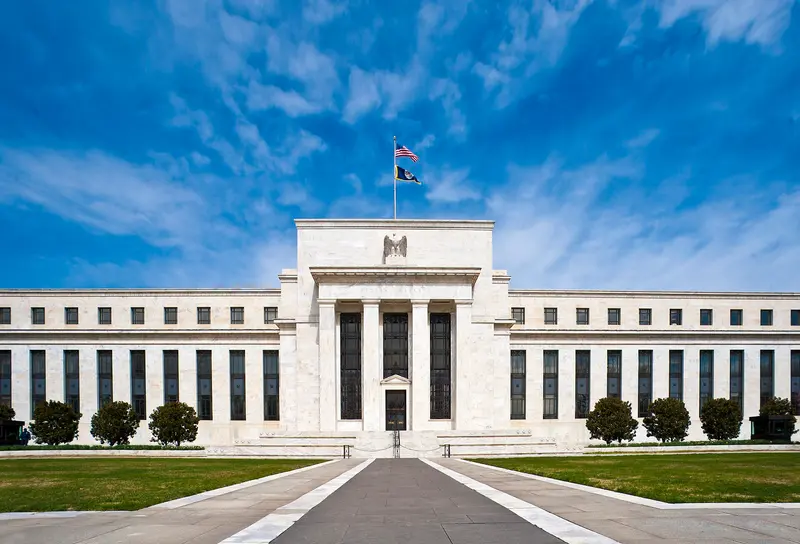
- Federalreserve · Public domain

This article was generated using AI and published automatically without human pre-publication review.
Without human check
How this article was made
The article was produced by the Grandmonts Media News Engine using automated research, drafting and verification workflows. No human editor reviewed the article before publication. Grandmonts Media remains responsible for the published content. Errors can be reported at office@grandmonts.cz.