
Nasdaq is asking U.S. regulators to let investors trade tokenized securities through the exchange’s existing infrastructure, a move that could bring blockchain based settlement into the core of traditional capital markets.
A regulated path for tokenized assets
In its Q&A on the new proposal for tokenized securities, Nasdaq said the framework would allow investors to trade tokenized equities and exchange traded products on its existing market infrastructure. The proposal is designed to preserve the rights, identifiers and trading rules attached to conventional securities while adding a digital form that can be represented and transferred using blockchain technology.
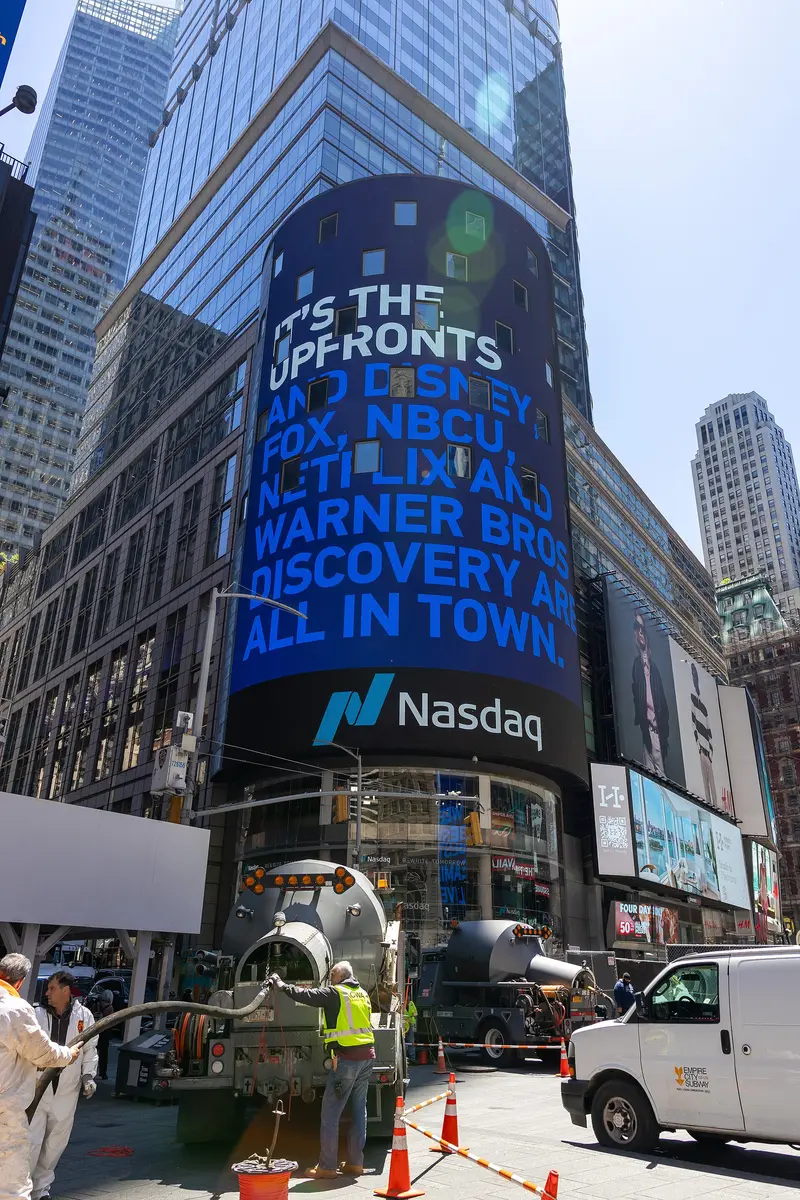
That approach places the exchange, rather than a standalone crypto platform, at the center of tokenization. Investors would continue using a regulated marketplace with established surveillance and order handling processes. The assets would not become a separate class of exchange traded products simply because their records were represented in tokenized form.
Nasdaq’s formal SEC rule filing proposes allowing tokenized securities to trade alongside traditional securities on the same order book. The filing says the proposed activity would operate under existing Securities and Exchange Commission and Nasdaq rules, while the Depository Trust Company would handle clearing and settlement.
The use of a shared order book is significant. It suggests that a tokenized security would not need to find liquidity in an isolated blockchain market. Instead, tokenized and conventional versions could be connected to the same exchange environment, allowing the market’s existing execution and pricing mechanisms to remain in place.
Tokenization at settlement
Nasdaq’s filing related Q&A describes a model using shared CUSIPs and DTC tokenization at settlement. A CUSIP is the standard identifier used to distinguish many U.S. and Canadian securities. Keeping that identifier helps link the tokenized form to the same underlying instrument and its existing market records.
Under the proposed mechanics, trading would occur through Nasdaq’s current systems, with tokenization taking place through DTC at settlement. That distinction matters because it limits the need to rebuild the exchange’s front end or create a parallel market structure. The blockchain component would be introduced into the post trade process rather than replacing the entire trading stack.
The filing related Q&A also points to continued use of existing market data. That could make the model easier for brokers, trading firms and technology providers to adopt because they would not necessarily need entirely new tools to monitor prices, route orders or analyze liquidity.
What the proposal could change
The potential benefit is not simply faster transfers. Nasdaq’s materials identify possible future efficiencies in settlement and collateral management, although those benefits would depend on how the system operates in practice. Tokenized records could eventually make it easier to move assets between market participants, verify ownership and use securities as collateral across connected financial applications.
The proposal also leaves important questions for regulators and market participants. DTC’s role would need to clarify how custody and settlement finality work when the asset’s representation is recorded on a blockchain. Investors and issuers would also need confidence that tokenized securities carry the same shareholder rights, corporate action treatment and legal protections as their traditional counterparts.
The SEC’s rulemaking page records Nasdaq’s filing, the September 16, 2025 notice, later amendments and subsequent Commission action. The regulatory process will determine whether the proposed structure can operate within existing exchange and clearing rules.
The broader significance is institutional rather than ideological. Nasdaq is not proposing that blockchain replace exchanges. It is testing whether exchange infrastructure can absorb blockchain based recordkeeping while keeping the rules, identifiers and protections that investors already understand.
- Nielsoncaetanosalmeron · CC BY 4.0

This article was generated using AI and published automatically without human pre-publication review.
Read and checked by admin on 9/30/2026
How this article was made
The article was produced by the Grandmonts Media News Engine using automated research, drafting and verification workflows. No human editor reviewed the article before publication. Grandmonts Media remains responsible for the published content. Errors can be reported at office@grandmonts.cz.