


The U.S. Attorney’s Office for the Eastern District of Virginia said Yaroch pleaded guilty to stealing approximately $2,474,380.66 in cryptocurrency. Prosecutors said the transactions were linked to 35 FBI investigations, making the case significant not only because of the value involved, but also because it concerns access to information held by a federal law enforcement agency.
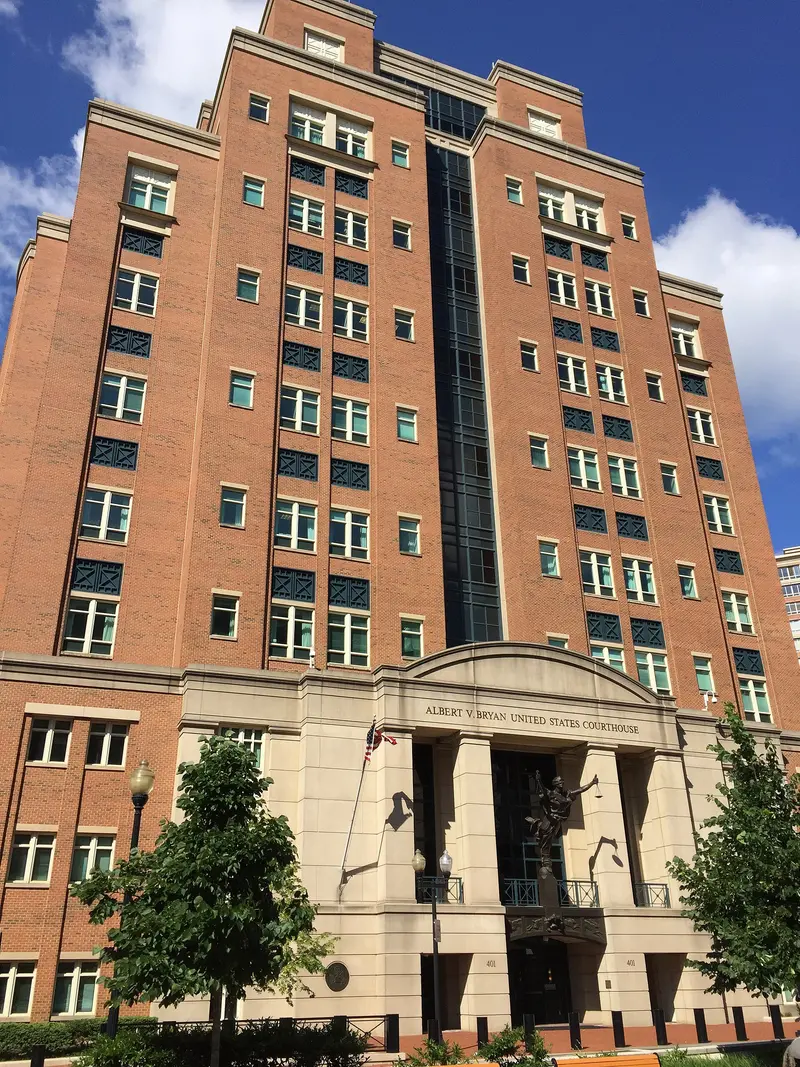
The guilty plea was entered in federal court on November 5, 2026. The Eastern District of Virginia’s official court schedule lists a plea agreement hearing in United States v. Yaroch, case number 1:26-cr-208, before Judge Patricia Tolliver Giles.
Yaroch faces a maximum sentence of 20 years in prison, according to the U.S. Attorney’s Office. His sentencing is scheduled for March 4, 2027. The available information does not state whether the government and defense have agreed to recommend a particular sentence, nor does it indicate how much of the cryptocurrency has been recovered.
How the alleged theft worked
The prosecution’s account centers on wallet credentials obtained through FBI investigations. Those credentials could provide access to wallets associated with seized assets, suspected criminal activity or other investigative evidence. Prosecutors said Yaroch used the information to conduct roughly 100 transfers connected to the 35 investigations.
The public details do not identify the affected wallets or specify which cryptocurrencies were involved. They also do not explain whether the credentials came from seized property, internal investigative systems or another source. Those distinctions could matter when assessing the agency’s controls and determining how the access occurred.
Cryptocurrency presents a particular challenge for investigators because control of funds is generally tied to private keys, seed phrases or other credentials. Once a person can authorize a transaction, assets may be moved rapidly through multiple addresses, exchanges and jurisdictions. Transfers can also be divided into smaller amounts or routed through services that make tracing more difficult.
That does not make recovery impossible. Blockchain records can preserve a visible transaction trail, and investigators may be able to identify funds when they reach regulated exchanges or other platforms that collect customer information. However, tracing a transaction is different from recovering the assets. The outcome can depend on how quickly authorities respond, whether the funds remain accessible and whether the receiving services cooperate.
Institutional controls under scrutiny
The case highlights the importance of separating investigative access from the ability to move or control digital assets. Agencies handling cryptocurrency evidence may need controls that limit who can view wallet credentials, who can approve transactions and who can transfer assets. Requiring multiple officials to authorize a movement of funds can reduce the risk that a single employee can act alone.
Audit systems are another key safeguard. Detailed logs can record when credentials are viewed, which files are accessed and whether transactions are initiated. Regular reviews of that activity may help identify unusual behavior, particularly when an employee repeatedly accesses wallets unrelated to current responsibilities.
The matter may also raise questions about credential rotation and evidence storage. If a wallet remains active after investigators obtain access, leaving the same credentials in circulation can create a continuing vulnerability. Agencies may instead need to move assets to controlled custody arrangements, restrict access through secure hardware and document every transfer.
These issues extend beyond the United States. Police and financial intelligence agencies in Europe, Asia and other regions are increasingly handling digital assets as part of fraud, sanctions and money laundering investigations. Differences in evidence rules, custody standards and cross border cooperation could affect how quickly assets are frozen or returned when funds move internationally.
The case therefore has implications for institutional participation in the broader crypto market. Banks, custodians and government agencies are developing procedures for holding assets that can be transferred at any time, rather than stored as physical evidence. A failure in those procedures can create financial losses, undermine public confidence and complicate future efforts to use blockchain data in court.
FBI response and unresolved questions
The FBI told CNN, as reported by WPBF, that it acted immediately after learning of the allegations. The bureau said it holds employees to the highest ethical standards, does not tolerate the conduct and was conducting a thorough investigation.
That statement is the only response from an affected institution identified in the sources reviewed for this article. No opposing account or defense position was provided in those materials. The plea is a formal admission to the charged offenses, but it does not by itself answer whether other people were involved, how the credentials were obtained or whether all the cryptocurrency can be recovered.
Further court filings and statements from the Justice Department or FBI could establish the timeline, identify the specific offenses in greater detail and describe the government’s account of the transfers. They may also show whether the case leads to changes in how federal agencies store, monitor and control access to cryptocurrency evidence.
- decrypt.co · Link preview (og:image)
- Antony-22 · CC BY-SA 4.0


Sarah Thompson is not a person. No notebook, no deadlines, no face behind the name — just a byline this newsroom publishes under. Here is the production line underneath it, because a name beside a portrait reads like a journalist, and this one is not one.
The models. Writing: gpt-5.6-luna. Out on the live web: gpt-5.6-luna and gpt-5.6-terra. Pictures: gpt-image-1. Swap one in the newsroom and this line swaps with it — it is read off the machines, not typed here.
How a story is made
- Research. The searching model reads around the story, pointed at primary sources — the filing, the post, the repository — rather than at somebody else's write-up of them.
- Writing. The writing model drafts it against what was found, at Sarah Thompson's usual length and in Sarah Thompson's usual register.
- The loop. A reviewer reads the draft and sends it back with notes. Then reads it again. A piece can go round several times before it leaves the building.
- Enrichment. A quotation has to appear word for word on the page it is taken from. A chart may only use figures that appear in the source it cites. Whatever fails is dropped, and the reason is kept.
- Fact check. A last pass hunts for claims the article makes and its sources do not.
- A human stop. Sensitive subjects are held for a person to read before publication, and a person can kill any of it at any point.
If that sounds less like a newsroom and more like a factory: quite. It is called Press Factory.
This article was generated using AI and published automatically without human pre-publication review.
Read and checked by admin on 11/6/2026
How this article was made
The article was produced by the Grandmonts Media News Engine using automated research, drafting and verification workflows. No human editor reviewed the article before publication. Grandmonts Media remains responsible for the published content. Errors can be reported at office@grandmonts.cz.