
The Trump administration is making a final effort to advance the CLARITY Act, according to Semafor, in a move that could determine whether Congress delivers a long-awaited framework for digital asset market oversight.
The development was highlighted by Cointelegraph in a Sept. 15 post on X, which described the White House effort as a “final push.” The report did not indicate that lawmakers had reached a deal, nor did it say that congressional leaders had scheduled a vote. Those omissions are important because political momentum does not necessarily translate into legislative action.
The CLARITY Act is designed to establish a clearer division of responsibility between the Securities and Exchange Commission and the Commodity Futures Trading Commission. That distinction has been central to the crypto industry’s regulatory concerns, as companies have often struggled to determine whether a token, trading platform or financial product falls under securities or commodities law.
A framework with broad industry consequences
If enacted, the legislation could provide rules for digital asset issuers, exchanges, brokers and other market participants. It could also influence how businesses structure token launches, custody services and trading operations. A clearer framework would allow companies to make longer-term investment decisions with greater confidence, while potentially reducing their reliance on case-by-case legal interpretations.
The bill’s impact could be especially significant for decentralized finance. DeFi protocols are often operated through software, community governance and distributed networks rather than conventional corporate structures. Questions about who controls a protocol, who must register with regulators and whether software developers could face compliance obligations remain among the most sensitive issues in the debate.
Those provisions could determine whether the law supports open-source innovation or places substantial responsibilities on individuals and organizations that do not operate like traditional financial intermediaries. The treatment of governance participants and other actors connected to protocol control may therefore be as important as the SEC and CFTC jurisdictional split.
Political momentum is not passage
A White House-backed push could improve the bill’s prospects by encouraging lawmakers to resolve outstanding disagreements. However, negotiations still involve jurisdiction, registration requirements, consumer safeguards and the scope of any exemptions. Some lawmakers may argue that the legislation does not provide sufficient protection for investors, while others could object to what they view as preferential treatment for crypto businesses.
The timing also matters for an industry that has spent years operating amid regulatory uncertainty. Companies have faced enforcement actions, shifting agency interpretations and substantial legal costs while waiting for Congress to define the rules. That uncertainty can favor larger firms with the resources to maintain compliance teams and legal departments, potentially making it harder for smaller projects and new market entrants to compete.
For markets, the immediate significance of the report is political rather than legal. The White House effort does not create a new regulatory regime, change agency authority or remove existing obligations. It does, however, signal that the administration may view market structure legislation as a priority during a limited window for congressional action.
The next meaningful indicators will be statements from congressional negotiators, committee activity and confirmation of a vote schedule. Until those signals appear, the CLARITY Act remains a proposal facing substantial negotiations. Passage could give digital asset businesses a more predictable foundation for growth, while delay or major amendments would leave the industry navigating the existing patchwork of securities rules and enforcement decisions.
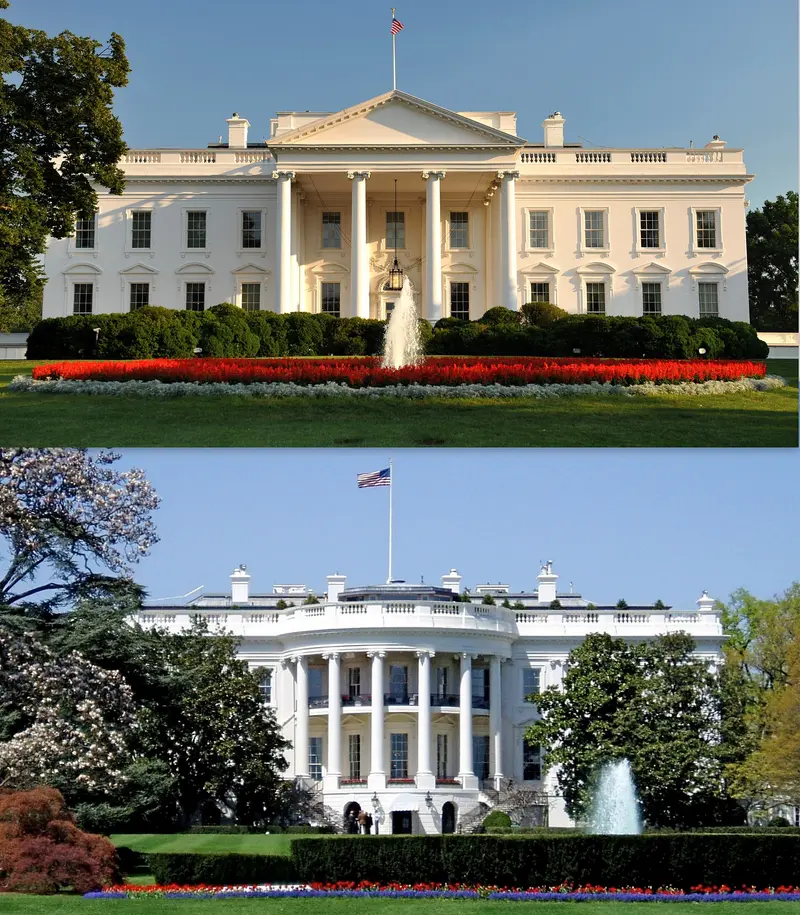
- (top) Cezary p (bottom) MattWade · CC BY-SA 4.0

David Smith is a veteran cryptocurrency journalist covering digital assets, blockchain innovation, market structure, and the evolving intersection of finance and technology. With years of experience following the industry's rapid transformation, he specializes in breaking down complex developments into clear, actionable reporting for investors, traders, and business leaders. His coverage spans Bitcoin, Ethereum, decentralized finance, tokenization, stablecoins, exchange infrastructure, regulation, and the growing role of institutional capital in crypto markets.
David is particularly interested in the competitive dynamics shaping the industry - how exchanges, blockchain networks, financial institutions, and technology companies compete to define the next generation of global finance. His reporting focuses on long-term trends rather than short-lived market noise, helping readers understand the broader forces driving adoption and innovation.
This article was written with the assistance of an AI system and published automatically.