
Warren Buffett has reportedly stepped down as chairman of Berkshire Hathaway, according to a September 18 post by Watcher.Guru on X. The announcement signals a historic change at one of the world’s most closely followed investment companies, while leaving important questions about succession, governance and Buffett’s continuing relationship with Berkshire unanswered.
The post states that Buffett “officially” stepped down as chairman, but it does not provide details about when the decision took effect, who will replace him or whether Berkshire has issued additional information through an official announcement or regulatory filing. Those details will be important for investors seeking to distinguish a change in title from a broader shift in management authority.
Buffett’s departure would mark the end of a leadership era that shaped Berkshire Hathaway from a struggling textile manufacturer into a multinational holding company with major interests in insurance, railroads, energy, manufacturing, consumer goods and financial services. His investment philosophy, public letters and annual meeting appearances made Berkshire a reference point for long-term investing well beyond the company’s own shareholder base.
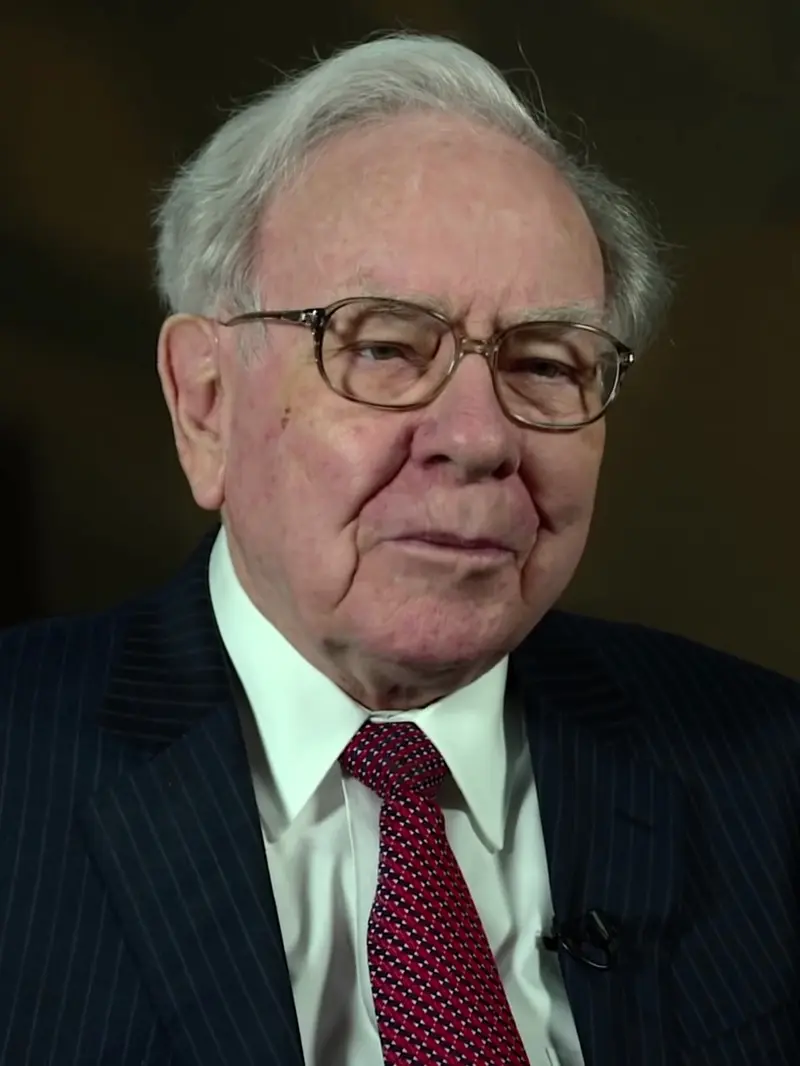
The transition is also significant because Berkshire’s public identity has been unusually connected to one person. Buffett’s reputation for disciplined capital allocation, skepticism toward market speculation and preference for understandable businesses has influenced how investors evaluate the company. A change in the chairmanship could therefore affect perceptions even if Berkshire’s portfolio and operating businesses remain unchanged in the short term.
Succession and governance take center stage
The immediate issue for shareholders is the structure of Berkshire’s leadership after Buffett. Investors will look for clarification on the division of responsibilities between the chairman, chief executive and other senior executives. They will also assess whether the company intends to preserve its historically decentralized operating model or introduce greater formal oversight from headquarters.
Berkshire has long allowed its subsidiaries considerable independence, with capital allocation and major strategic decisions managed from the corporate center. That approach has helped the company operate across industries without imposing a single operating template on every business. Buffett’s departure could test whether that model depends more heavily on his personal judgment than previously assumed.
Investors may also focus on Berkshire’s cash holdings, acquisitions and share repurchase policy. Buffett’s willingness to hold substantial cash when suitable investments were unavailable became a central feature of Berkshire’s strategy. Future decisions about deploying that capital may be interpreted as evidence of whether the company is continuing his approach or moving toward a different investment framework.
For institutional investors, governance continuity could matter as much as leadership continuity. Berkshire’s size means that even modest changes in capital allocation can influence major sectors, from insurance and infrastructure to energy and consumer finance. Any shift is likely to be examined through financial disclosures, board statements and management commentary rather than through a single announcement.
Why crypto markets are watching
The connection to cryptocurrency is primarily reputational and symbolic. Buffett has been one of the most prominent traditional finance figures to criticize bitcoin and other digital assets. He has questioned bitcoin’s intrinsic value and compared cryptocurrency speculation with gambling, while Berkshire Vice Chairman Charlie Munger also used strongly negative language when discussing the sector.
That opposition helped reinforce a broader divide between established value investing and the digital asset industry. For many investors, Buffett represented a traditional model built on productive businesses, cash flow and tangible economic activity. Crypto advocates, by contrast, argued that digital scarcity, decentralized networks and alternative monetary systems should not be assessed solely through conventional corporate valuation methods.
His departure from the chairmanship could reduce the frequency with which Berkshire’s leadership comments on bitcoin, but it does not automatically imply a change in the company’s investment policy. Berkshire’s board and executives would need to approve any material shift in strategy. A change in personnel may alter the tone of public discussion without producing any immediate allocation to cryptocurrencies or blockchain companies.
The distinction matters for markets. Crypto prices are unlikely to respond materially to a leadership change at Berkshire unless it is followed by a clear policy statement, a major investment decision or evidence that other large financial institutions are reassessing digital assets. The more immediate effect may be on the public debate surrounding institutional credibility. Without Buffett in the chair, one of traditional finance’s most recognizable critics of bitcoin will no longer occupy the same formal position.
A test of Berkshire’s independence
The next stage will depend on what Berkshire and its regulators disclose. Investors will want confirmation of the effective date, the identity and authority of any successor, and Buffett’s future role, if any. They will also watch for changes in board composition, executive communication and capital allocation.
For the crypto industry, the development offers a reminder that individual reputations can shape the perceived boundaries of institutional investing. Buffett’s views did not determine regulation or prevent banks, asset managers and companies from exploring digital assets. However, they contributed to the legitimacy debate that continues to influence policymakers and investors worldwide.
The reported transition is therefore more important as a governance event than as a direct crypto catalyst. Berkshire’s investment decisions, regulatory posture and financial disclosures will determine whether the change becomes a substantive strategic shift or simply the formal closing of one of the longest chapters in modern corporate history.
- USA International Trade Administration · Public domain

Sarah Thompson is a cryptocurrency journalist specializing in global regulation, institutional finance, and the policies shaping the future of digital assets. Her reporting focuses on the intersection of blockchain technology, financial markets, and government oversight, covering everything from Bitcoin ETFs and stablecoin legislation to central bank digital currencies, securities regulation, and international crypto policy.
She closely follows how regulators, financial institutions, and technology companies influence the evolution of digital finance across North America, Europe, and Asia. Sarah's work helps readers understand how legislative decisions, regulatory frameworks, and macroeconomic policy affect innovation, investment, and the long-term adoption of cryptocurrencies. Her audience includes investors, executives, policymakers, and professionals seeking clear analysis of the legal and financial landscape surrounding digital assets.
This article was written with the assistance of an AI system and published automatically.