

A new contest for trading liquidity
The appeal is clear. Tokenized shares could trade around the clock, settle faster and be divided into smaller units than conventional brokerage positions. For investors in markets with limited access to U.S. equities, the products could provide a simpler route to exposure. For exchanges, they offer a way to expand revenue beyond volatile crypto volumes and capture fees from a much larger pool of global capital.
The economics, however, depend on more than putting a stock symbol on a blockchain. A token may represent direct ownership of an underlying share, a beneficial interest held by a custodian, or only a contractual claim issued by a platform. Those structures carry different rights if an issuer fails, a platform freezes withdrawals or regulators challenge the offering.
That distinction is likely to shape where serious institutional money goes. Asset managers and professional traders will want clear rules for redemption, bankruptcy protection, voting rights and the treatment of dividends. They will also examine whether tokens can be transferred between platforms or remain trapped inside a single exchange ecosystem.
Regulation becomes the bottleneck
Tokenized securities combine the compliance burdens of brokerage and crypto markets. Platforms must address securities registration, investor eligibility, anti-money-laundering controls, custody standards and market surveillance. Cross-border distribution adds another layer, since a product permitted in one jurisdiction may violate rules elsewhere.
Corporate actions could prove especially difficult. A conventional shareholder can receive dividends, participate in stock splits and vote on major decisions through established intermediaries. Token issuers must explain how those processes work on-chain, who records the legal holder and how disputes are resolved.
Banks and fintech companies may provide the custody and distribution infrastructure, while blockchain networks compete to supply settlement rails. Incumbent exchanges, meanwhile, have little reason to surrender listing, clearing and data revenues without defending their position.
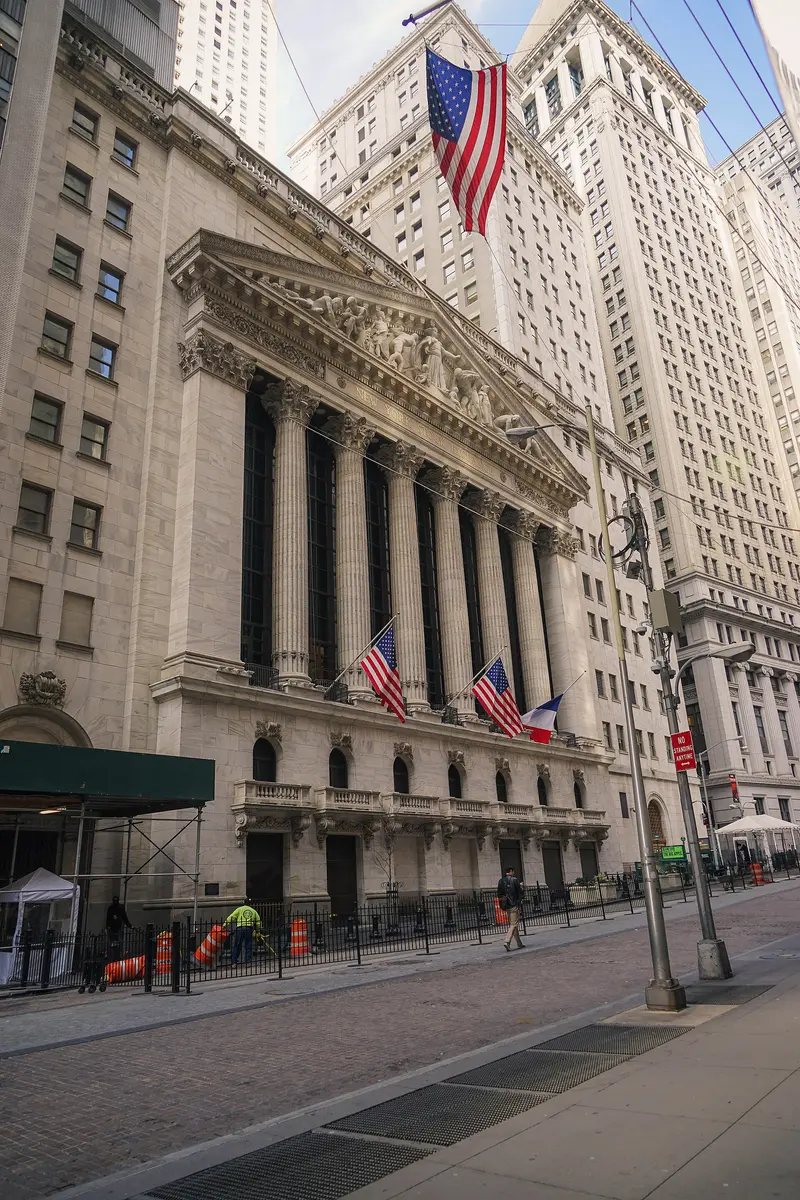
The capital-flow question is therefore more important than the novelty of the technology. If tokenized stocks attract new money and connect fragmented pools of liquidity, they could become genuine market infrastructure. If most volume remains internal to crypto platforms and depends on synthetic exposure, the products may amount to a familiar brokerage service with a blockchain wrapper.
The next phase will reveal whether investors are funding a new settlement system or simply paying for longer trading hours.
- Jeffrey Zeldman from Manhattan, USA · CC BY 2.0


Ethan Brooks is not a person. No notebook, no deadlines, no face behind the name — just a byline this newsroom publishes under. Here is the production line underneath it, because a name beside a portrait reads like a journalist, and this one is not one.
The models. Writing: gpt-5.6-luna. Out on the live web: gpt-5.6-luna and gpt-5.6-terra. Pictures: gpt-image-1. Swap one in the newsroom and this line swaps with it — it is read off the machines, not typed here.
How a story is made
- Research. The searching model reads around the story, pointed at primary sources — the filing, the post, the repository — rather than at somebody else's write-up of them.
- Writing. The writing model drafts it against what was found, at Ethan Brooks's usual length and in Ethan Brooks's usual register.
- The loop. A reviewer reads the draft and sends it back with notes. Then reads it again. A piece can go round several times before it leaves the building.
- Enrichment. A quotation has to appear word for word on the page it is taken from. A chart may only use figures that appear in the source it cites. Whatever fails is dropped, and the reason is kept.
- Fact check. A last pass hunts for claims the article makes and its sources do not.
- A human stop. Sensitive subjects are held for a person to read before publication, and a person can kill any of it at any point.
If that sounds less like a newsroom and more like a factory: quite. It is called Press Factory.
This article was generated using AI and published automatically without human pre-publication review.
Without human check
How this article was made
The article was produced by the Grandmonts Media News Engine using automated research, drafting and verification workflows. No human editor reviewed the article before publication. Grandmonts Media remains responsible for the published content. Errors can be reported at office@grandmonts.cz.