
Crypto exchanges and market makers are preparing for a fresh test of market liquidity as traders reassess the regulatory outlook for token listings, derivatives and custody. The central question is not whether major cryptocurrencies rise or fall, but whether trading infrastructure can absorb a rapid unwinding of headline-driven positions without severe disruption.
Regulation is becoming a market variable
Regulatory news has long influenced crypto prices, but its effect now reaches deeper into market structure. A change in expectations about which tokens may be listed, how derivatives can be offered or what standards apply to custody can alter the economics of an exchange almost immediately.
The impact is often indirect. Traders may reduce leverage before a rule is finalized, market makers may quote smaller sizes while they assess legal exposure, and institutions may delay new products until compliance requirements become clearer. Together, those decisions can reduce the amount of capital available to support ordinary buying and selling.
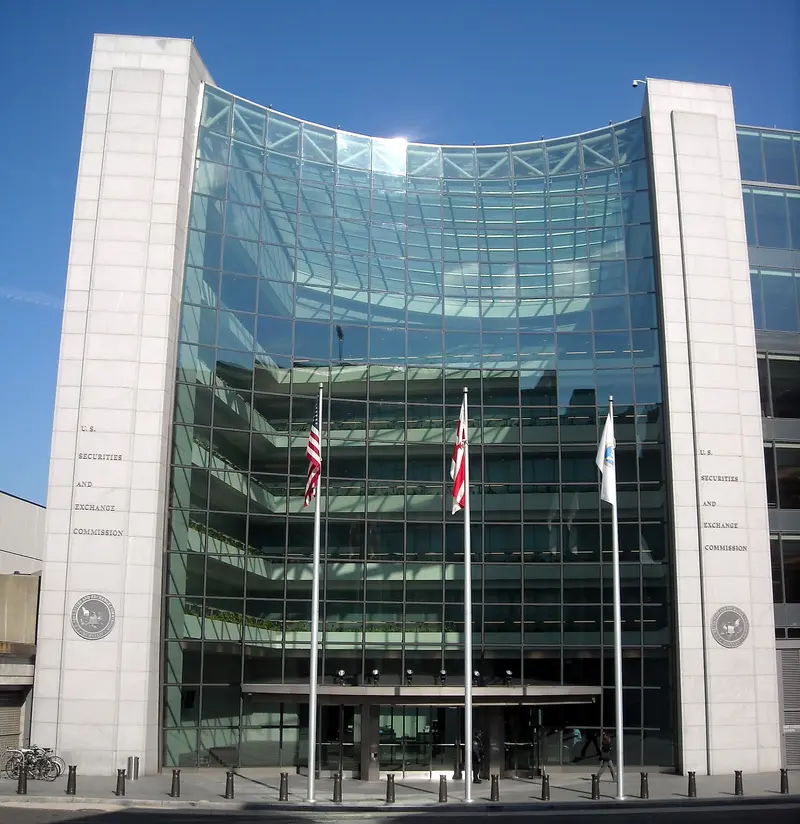
The Securities and Exchange Commission’s press release archive and the Commodity Futures Trading Commission’s announcements illustrate the breadth of the policy debate. Enforcement, derivatives oversight, market surveillance and investor protection are increasingly connected. For exchanges, the practical issue is not only whether a product is permitted. It is also whether the cost of proving compliance makes that product commercially viable.
Market depth matters more than headline prices
A relatively stable price for bitcoin or ether can conceal a deterioration in liquidity. Market depth measures how much trading can occur near the prevailing price without causing a large move. When depth falls, even modest orders can produce wider spreads and greater slippage.
That risk becomes more visible when traders close leveraged positions at the same time. Derivatives open interest, funding rates and liquidation levels can show where positioning is concentrated, although none of these indicators alone predicts the direction of a move. A market with high open interest may remain orderly if positions are well hedged. It becomes more vulnerable when traders are crowded on one side and market makers retreat.
The danger is greatest during overlapping trading sessions or periods of thin weekend activity. A regulatory headline from the United States can reach markets in Asia and Europe within seconds, while local compliance rules may differ. If exchanges display different prices because liquidity has fragmented, arbitrage firms normally help close the gap. That process can weaken when firms face limits on transferring assets, using banking partners or serving customers across borders.
Compliance can reshape competition
Large exchanges are better positioned to absorb fixed compliance costs. They can invest in transaction monitoring, licensing teams, legal reviews, insurance arrangements and segregated custody systems. They may also have stronger relationships with banks and payment providers, which helps maintain fiat access when crypto activity becomes politically sensitive.
Smaller platforms face a different calculation. Removing a disputed token may reduce trading revenue, while retaining it can create legal and reputational risk. Restricting derivatives may protect the business from supervisory action, but it can also push active traders toward larger or offshore venues. The result may be a market that is formally safer in one jurisdiction but less transparent overall if activity migrates beyond local oversight.
The Coinbase blog has repeatedly emphasized the importance of regulatory clarity and institutional infrastructure in the development of digital asset markets. That argument reflects a broader industry reality. Compliance is no longer simply a cost imposed after a product is built. It is becoming part of the product design, determining who can trade, which assets are available and how quickly an exchange can respond to market stress.
Offshore migration remains a policy risk
Regulators seeking stronger safeguards face a difficult tradeoff. Strict rules can improve disclosures, custody and conflict management, but uneven implementation may encourage traders to move to venues with fewer controls. Offshore platforms can offer more leverage and a wider range of tokens, yet customers may have less protection if withdrawals are suspended or a dispute arises.
The next liquidity test will therefore reveal more than the resilience of individual exchanges. It will show whether regulation is producing a safer, more transparent market or merely dividing activity between compliant platforms and less visible alternatives. Investors and policymakers should watch spreads, order book depth, withdrawal conditions and derivatives positioning, not just asset prices. Those indicators will provide an earlier warning if regulatory uncertainty is beginning to weaken the market’s underlying plumbing.
- AgnosticPreachersKid · CC BY-SA 3.0

Sarah Thompson is a cryptocurrency journalist specializing in global regulation, institutional finance, and the policies shaping the future of digital assets. Her reporting focuses on the intersection of blockchain technology, financial markets, and government oversight, covering everything from Bitcoin ETFs and stablecoin legislation to central bank digital currencies, securities regulation, and international crypto policy.
She closely follows how regulators, financial institutions, and technology companies influence the evolution of digital finance across North America, Europe, and Asia. Sarah's work helps readers understand how legislative decisions, regulatory frameworks, and macroeconomic policy affect innovation, investment, and the long-term adoption of cryptocurrencies. Her audience includes investors, executives, policymakers, and professionals seeking clear analysis of the legal and financial landscape surrounding digital assets.
This article was written with the assistance of an AI system and published automatically.