

For years, regulated institutions largely treated digital assets as a custody and infrastructure business. Clients owned the tokens, while banks stored keys, processed transfers or supported trading. Lending changes that relationship. Once crypto is pledged as collateral, a price decline can trigger margin calls, forced sales and losses that move quickly across platforms.
Bitcoin and other liquid tokens may be easier to value and sell than smaller digital assets, but even major markets can experience sharp gaps in liquidity. Stablecoins present a different risk. A lender that accepts them as collateral may face losses if reserves, redemption access or market confidence deteriorate. A broad redemption wave could pressure issuers, trading venues and banks that provide payment or settlement services.
The central supervisory question is whether collateralized crypto credit receives treatment that reflects its actual risk. Capital rules must account for price volatility, concentration, custody failures and the possibility that collateral cannot be sold at its quoted value. Regulators also need to determine how quickly a bank can liquidate assets and whether contractual claims are enforceable during insolvency.
Custody arrangements will be equally important. Assets held for customers should remain clearly segregated from a lender’s own property. Rehypothecation, in which collateral is lent or pledged again, can improve market efficiency but may create chains of claims that become difficult to unwind during stress. Customers need clear disclosure about whether their tokens are merely held, lent out or exposed to a borrower’s failure.
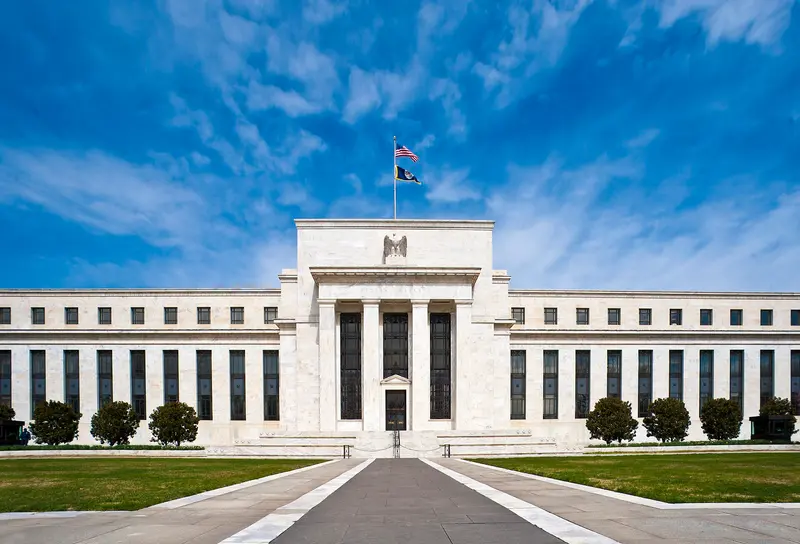
The United States is not developing these rules in isolation. European regulators implementing the Markets in Crypto Assets framework are also defining standards for stablecoins, service providers and governance. Differences in capital treatment or licensing could influence where firms book loans and where investors place liquidity.
For investors, the most revealing signals will be licensing decisions, collateral eligibility, capital charges and default procedures. Productive onchain lending could improve payment and settlement markets. Poorly controlled leverage, however, could make regulated banks the transmission point for the next crypto shock.
- Federalreserve · Public domain


Sarah Thompson is not a person. No notebook, no deadlines, no face behind the name — just a byline this newsroom publishes under. Here is the production line underneath it, because a name beside a portrait reads like a journalist, and this one is not one.
The models. Writing: gpt-5.6-luna. Out on the live web: gpt-5.6-luna and gpt-5.6-terra. Pictures: gpt-image-1. Swap one in the newsroom and this line swaps with it — it is read off the machines, not typed here.
How a story is made
- Research. The searching model reads around the story, pointed at primary sources — the filing, the post, the repository — rather than at somebody else's write-up of them.
- Writing. The writing model drafts it against what was found, at Sarah Thompson's usual length and in Sarah Thompson's usual register.
- The loop. A reviewer reads the draft and sends it back with notes. Then reads it again. A piece can go round several times before it leaves the building.
- Enrichment. A quotation has to appear word for word on the page it is taken from. A chart may only use figures that appear in the source it cites. Whatever fails is dropped, and the reason is kept.
- Fact check. A last pass hunts for claims the article makes and its sources do not.
- A human stop. Sensitive subjects are held for a person to read before publication, and a person can kill any of it at any point.
If that sounds less like a newsroom and more like a factory: quite. It is called Press Factory.
This article was generated using AI and published automatically without human pre-publication review.
Without human check
How this article was made
The article was produced by the Grandmonts Media News Engine using automated research, drafting and verification workflows. No human editor reviewed the article before publication. Grandmonts Media remains responsible for the published content. Errors can be reported at office@grandmonts.cz.