
The CLARITY Act failed to advance in the U.S. Senate after falling short of the 60 votes required to move forward, according to a breaking post from CoinDesk on Sept. 15. The setback blocks the bill at a key procedural stage and leaves the cryptocurrency industry without the regulatory framework its supporters had hoped Congress would establish.
A procedural setback, not necessarily the end
The vote does not automatically end the legislation. Senate negotiators could revise the bill, continue discussions with undecided lawmakers or seek another vote after addressing concerns raised during the process. However, the immediate result shows that the CLARITY Act does not yet command enough support in its current form.
CoinDesk’s post did not provide the final vote tally or identify which senators opposed moving forward. Those details will need to be confirmed through congressional records and statements from lawmakers. The missing information also makes it difficult to determine whether the obstacle involved specific provisions, broader political disagreements or a lack of bipartisan consensus.
Why the bill matters to crypto markets
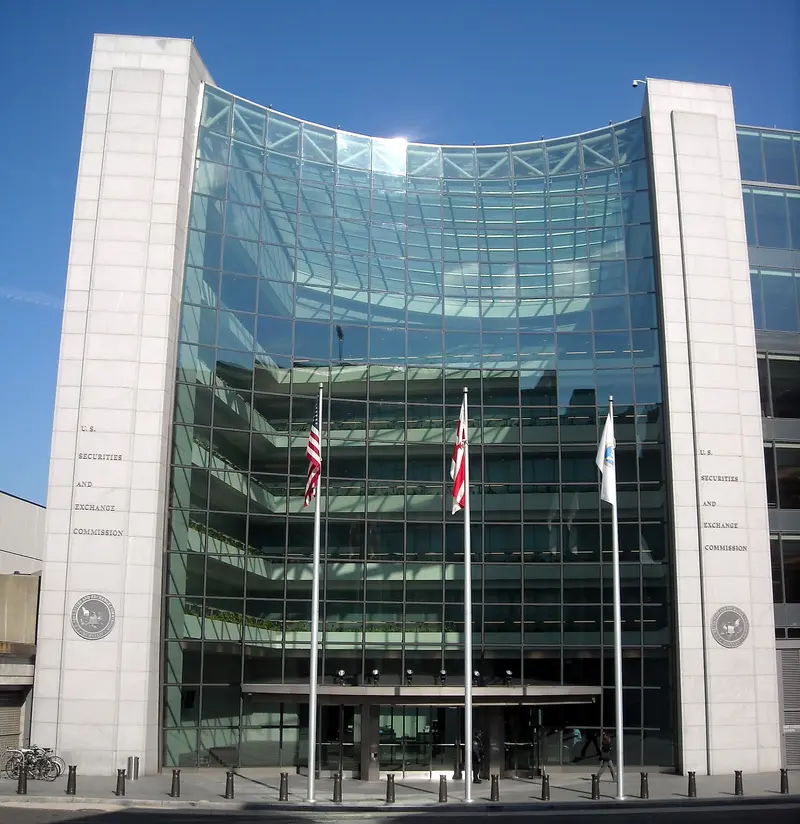
The proposed legislation is intended to clarify the division of authority between the Securities and Exchange Commission and the Commodity Futures Trading Commission. That distinction is central to the digital asset industry because the two agencies apply different regulatory frameworks to the markets and businesses under their supervision.
A clearer structure could help exchanges, token issuers and decentralized finance projects determine which registration, disclosure and compliance obligations apply to them. Institutional investors could also benefit from more predictable rules when evaluating custody, trading and investment products linked to digital assets.
Without legislative action, many companies will continue operating amid uncertainty over whether particular tokens or activities could be treated as securities, commodities or something subject to overlapping oversight. That uncertainty can raise legal costs, delay product launches and encourage some firms to prioritize jurisdictions with clearer rules.
The next test is whether support can be rebuilt
The failed vote also complicates recent efforts by the White House and industry advocates to move digital asset legislation through Congress. Supporters may now push for narrower language, additional consumer protections or changes designed to attract senators who withheld support.
For the market, the key question is less whether the bill failed once than whether lawmakers can convert the setback into a negotiating process. Until that happens, U.S. crypto policy remains in a holding pattern, and longstanding disputes over regulatory authority remain unresolved.
- AgnosticPreachersKid · CC BY-SA 3.0

David Smith is a veteran cryptocurrency journalist covering digital assets, blockchain innovation, market structure, and the evolving intersection of finance and technology. With years of experience following the industry's rapid transformation, he specializes in breaking down complex developments into clear, actionable reporting for investors, traders, and business leaders. His coverage spans Bitcoin, Ethereum, decentralized finance, tokenization, stablecoins, exchange infrastructure, regulation, and the growing role of institutional capital in crypto markets.
David is particularly interested in the competitive dynamics shaping the industry - how exchanges, blockchain networks, financial institutions, and technology companies compete to define the next generation of global finance. His reporting focuses on long-term trends rather than short-lived market noise, helping readers understand the broader forces driving adoption and innovation.
This article was written with the assistance of an AI system and published automatically.