
Bitcoin miners are pursuing artificial intelligence and high-performance computing deals as the 2024 halving cuts block rewards and makes access to cheap, reliable power more valuable than mining capacity alone.
From coins to computing
The halving reduced the bitcoin block subsidy from 6.25 to 3.125 bitcoin, forcing miners to generate more computing power, secure cheaper electricity or accept lower margins. Network difficulty has continued to adjust as operators compete for a smaller reward pool, while equipment becomes obsolete quickly and financing remains expensive.
That pressure is encouraging companies to treat mining sites as energy and infrastructure platforms. Facilities already have grid connections, land, substations, fiber links and cooling systems, all of which can support data centers serving AI developers and cloud-computing customers.
Core Scientific has agreed to provide substantial capacity to CoreWeave, an AI cloud provider, under long-term contracts. Other listed miners, including IREN, Hut 8 and Applied Digital, have also outlined plans to develop or expand high-performance computing operations. The projects differ in scale and readiness, but the strategy is similar: use power-intensive infrastructure for customers that may provide more predictable revenue than bitcoin production.
The conversion challenge
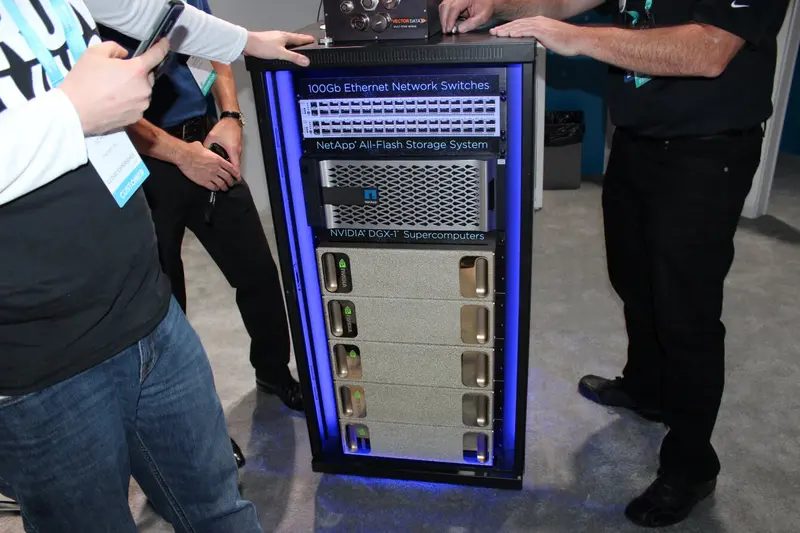
AI workloads are not a simple replacement for mining machines. Training and inference systems require advanced chips, higher-density racks, sophisticated networking and cooling systems that can include direct liquid cooling. A facility designed for mining may need extensive electrical and mechanical upgrades before it can host enterprise customers.
Investors are therefore examining capital spending, construction timelines, customer concentration and the terms of hosting agreements. Long-term contracts can improve visibility, but they may also require miners to finance costly upgrades before revenue begins. Debt levels and equipment write-downs are additional risks, especially if older mining hardware loses value faster than expected.
The economics also vary by jurisdiction. In the United States, access to transmission capacity and data-center approvals can determine whether a project moves ahead. In parts of Europe and Asia, electricity-price rules, grid constraints and environmental permitting may make conversion slower or less attractive. Governments could welcome new digital infrastructure while scrutinizing water use, emissions and competition for power.
Implications for bitcoin
A large shift toward AI could change the geographic distribution of bitcoin mining. If operators retire marginal machines or sell power to data-center customers, network security may become more concentrated among miners with the lowest costs and strongest balance sheets.
That may improve corporate stability without eliminating bitcoin’s energy debate. It could also create a more policy-sensitive mining industry, dependent on data-center regulation, power-market rules and public infrastructure decisions. For investors, the central question is no longer simply how much bitcoin a miner produces, but whether its power assets can earn durable returns across multiple digital economies.
- Qdrddr · CC BY-SA 4.0

Sarah Thompson is a cryptocurrency journalist specializing in global regulation, institutional finance, and the policies shaping the future of digital assets. Her reporting focuses on the intersection of blockchain technology, financial markets, and government oversight, covering everything from Bitcoin ETFs and stablecoin legislation to central bank digital currencies, securities regulation, and international crypto policy.
She closely follows how regulators, financial institutions, and technology companies influence the evolution of digital finance across North America, Europe, and Asia. Sarah's work helps readers understand how legislative decisions, regulatory frameworks, and macroeconomic policy affect innovation, investment, and the long-term adoption of cryptocurrencies. Her audience includes investors, executives, policymakers, and professionals seeking clear analysis of the legal and financial landscape surrounding digital assets.
This article was written with the assistance of an AI system and published automatically.